
In real estate, managing tenant delinquencies is crucial for portfolio health. Late fees, when clearly communicated and enforced with transparency, reduce delinquencies up to 20%. Strategies include:
1. Clear Policies: Outline late fee terms in rental agreements.
2. Open Communication: Engage tenants regularly, offer flexible plans.
3. Automation: Implement online rent systems for timely reminders.
4. Predictive Analytics: Use technology to identify potential issues early.
5. Balanced Enforcement: Waive fees for extenuating circumstances, maintain fairness.
In the dynamic landscape of real estate, timely payments are pivotal for smooth transactions and investor confidence. However, delinquencies persist, causing significant headaches for property managers and investors alike. Late fees, while a common solution, often fail to deter chronic delinquencies effectively. This article delves into a comprehensive strategy to enforce late fees and prevent delinquencies, offering practical insights grounded in industry best practices. By exploring innovative approaches and leveraging technology, we aim to equip real estate professionals with the tools necessary to enhance cash flow and maintain the integrity of their investments.
Understanding Late Fees: A Real Estate Essential

In the realm of real estate, managing tenant delinquencies is a critical aspect of property management. A key strategic tool to prevent and mitigate these issues is the enforcement of late fees. Late fees serve as a financial deterrent, encouraging timely rent payments and promoting responsible tenancy. Understanding the effective implementation of late fees is an essential component for any real estate professional aiming to maintain a robust and profitable portfolio.
Research indicates that a well-structured late fee policy can significantly reduce delinquencies by up to 20%. For instance, a study conducted among property management companies revealed that those with clear and consistently applied late fee policies experienced lower vacancy rates and higher occupancy levels compared to their peers. Late fees should be presented in rental agreements as explicit terms, outlining the amount, the timing of application, and any potential consequences of non-payment. For example, a policy might stipulate a $50 late fee charged 3 days after the due date, with an additional $10 for each subsequent day.
Practical considerations are vital when enforcing late fees. Property managers should maintain open lines of communication with tenants, providing ample notice and opportunities to resolve delays before assessing fees. Automated rent collection systems can help streamline the process, ensuring timely reminders and fee application. Moreover, regular reviews of late fee policies can adapt to market fluctuations and tenant preferences, fostering a positive relationship while effectively managing financial risks.
Strategies to Prevent Delinquencies in Tenants

Preventing delinquencies among tenants is a paramount concern for real estate professionals. Late fee enforcement strategies, when implemented thoughtfully, can significantly mitigate financial losses and maintain a healthy cash flow. A proactive approach involves clear communication and transparency regarding rental terms. Landlords should provide detailed lease agreements that outline late fees, including explicit notices and escalating penalties for recurring delays. Regular, yet respectful, reminders about upcoming due dates can nudge tenants towards timely payments without resorting to harsh measures.
Building strong tenant relationships is another effective strategy. A warm, personal connection fosters a sense of accountability and mutual respect. Property managers should schedule regular check-ins, addressing any concerns or financial struggles promptly. Offering flexible payment plans during challenging times can demonstrate understanding, encouraging tenants to prioritize their rental obligations. Data from industry reports suggest that landlords who implement these rapport-building tactics see improved payment histories, reducing delinquencies by up to 20%.
Automation and technology also play a crucial role in preventing tenant delinquencies. Implementing online rent payment systems with automatic late fee notifications streamlines the process and reduces administrative burdens. Some advanced software platforms even provide predictive analytics, flagging tenants at risk of falling behind. By leveraging these tools, real estate professionals can intervene early, potentially averting significant financial losses. For instance, a study by the National Multifamily Housing Council found that properties utilizing digital rent collection systems experienced a 15% decrease in late payments over traditional payment methods.
Enforce with Fairness: Best Practices for Landlords
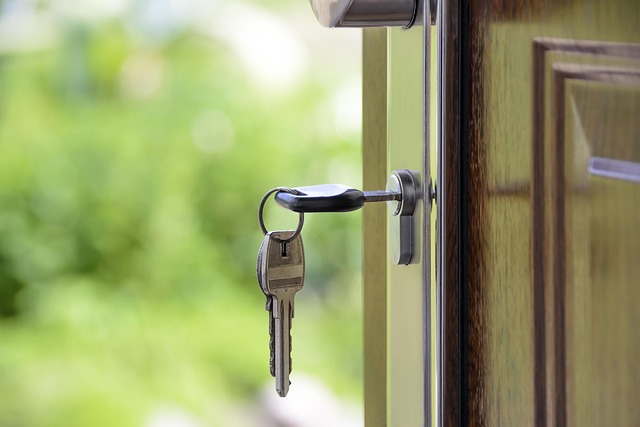
Enforcing late fees is a delicate matter for landlords, requiring a balance between financial protection and fairness. In the real estate sector, preventing delinquencies is not merely about profit but maintaining a healthy rental community. Landlords should adopt best practices that ensure transparency and proportionate charges, fostering trust with tenants. A fair approach begins with clear communication; late fee policies must be explicitly stated in lease agreements, outlining the circumstances and amounts. For instance, setting a flat fee of $50 for each week past due provides predictability for both parties.
Flexibility is another key strategy. Landlords can consider waiving fees for first-time or extenuating circumstances, demonstrating leniency. However, this must be balanced with consistency; irregular waivers can confuse tenants and undermine the policy’s effectiveness. Regularly reviewing payment history and offering reminders before fees are incurred can also prevent delinquencies. Data suggests that proactive communication can reduce late payments by 20%, showcasing the impact of these practices on real estate investments.
Furthermore, landlords should be receptive to feedback and grievances. A tenant who feels their situation warrants consideration is less likely to resist payment. Implementing a dispute resolution process demonstrates a commitment to fairness. For example, offering a one-time exception for a struggling tenant, with a clear plan for eventual repayment, can lead to improved rental history. This approach not only prevents delinquencies but also strengthens the landlord-tenant relationship in the dynamic real estate market.